Brazil's National Design Day: before shape and price, comes color
On Brazil's National Design Day, a look at the first decision behind almost every plastic product: its color, and the technical path from idea to approved batch.
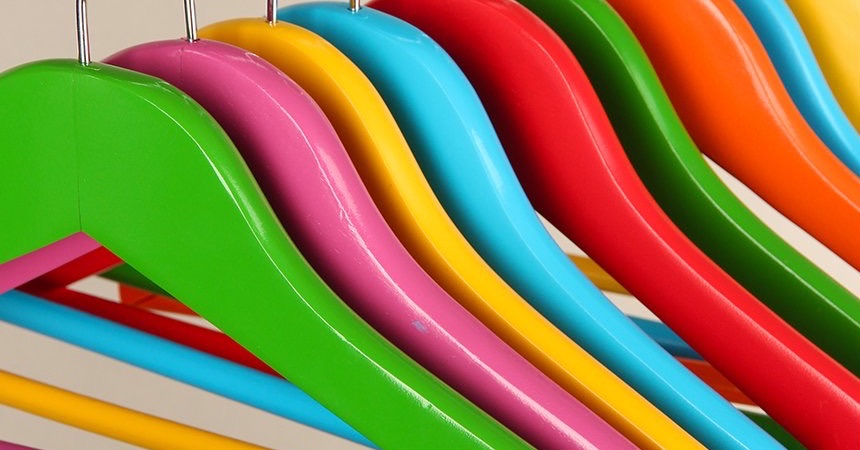
Think about the last time you picked a water bottle, a toothbrush or a food container off the shelf. Before reading the label, comparing sizes or checking the price, your eyes had already chosen a color. Multicolor marked Brazil's National Design Day on Instagram with this idea, and it deserves a closer look.
Why November 5
Brazil celebrates its National Design Day on November 5, the birthday of Aloísio Magalhães, born in Pernambuco in 1927 and regarded as one of the pioneers of modern design in Brazil. It is a good moment to remember that design is not only shape: it is also the choice of materials, finishes and, almost always, color.
Color is one of the first product decisions
Color is what draws attention, sets a product apart and makes an ordinary object feel made for you. In plastics, this choice happens long before the product reaches the shelf, and it has to come off the drawing board as strong as it was imagined.
Between the designer's reference and the product on the production line there are important technical questions:
- Which resin? The same color behaves differently in PP, PE or PVC.
- Which process? Injection, blow molding and extrusion expose the pigment to different temperatures and residence times.
- Where will the product live? Indoors, in the sun or in contact with food: each use calls for its own combination of pigments and additives.
- Which finish? Gloss, transparency and opacity change how the color is perceived.
From reference to approved batch
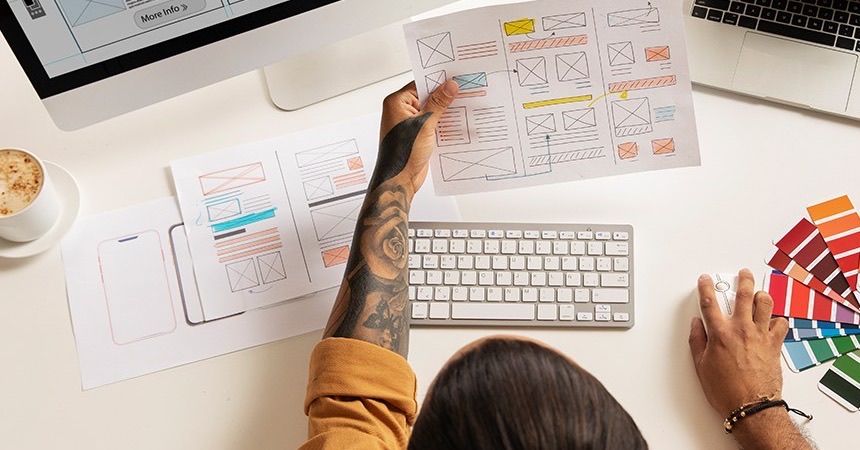
In practice, the path usually has three steps. First, the reference: a Pantone code, a physical sample or the product you want to match. Then, development in the laboratory, testing the color in the resin and at the application dosage. Finally, approval with a physical sample, because no screen can accurately reproduce the color of a pigmented plastic.
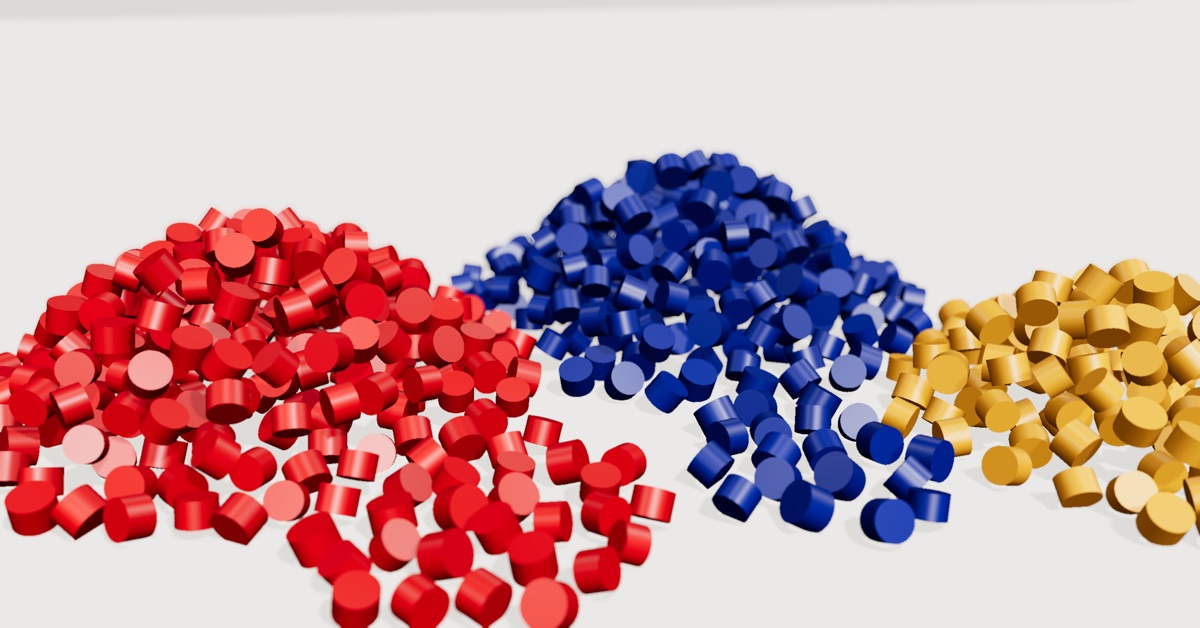
That is why masterbatch has become so important for product designers: it delivers concentrated color in pellets, ready for the process, with repeatability batch after batch. What was approved in the prototype is what reaches production.
A tip for designers
When you request a color development, include the resin, the process and the end application. This information shortens the work in the lab and avoids surprises in the first production run.
Over 40 years behind everyday colors
Since 1983, Multicolor has developed custom masterbatches, powder pigments, microspheres and additives for the plastics industry. On National Design Day, we celebrate the people who turn color into choice: designers, product engineers and development teams who decide, every day, how objects will look in people's homes.
Which color would you choose for an object you use every day? If it is not yet in your portfolio, tell our technical team. We can help turn that choice into a product.