Plastic that comes back: how color gives recycled material a new life
Many plastic objects started out as a container, a lid or packaging. Here is what changes when coloring recycled resin, and how to plan the color from day one.
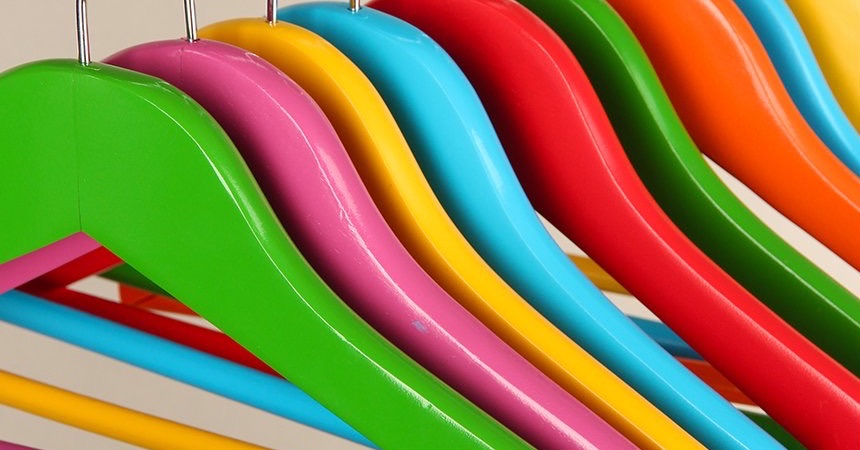
Not every plastic object you use was made from scratch. Many started out as a container, a lid or packaging, were sorted, went back to industry and gained a new purpose. Multicolor touched on this in a recent Instagram post, and the subject deserves a more technical look.
The cycle that brings plastic back
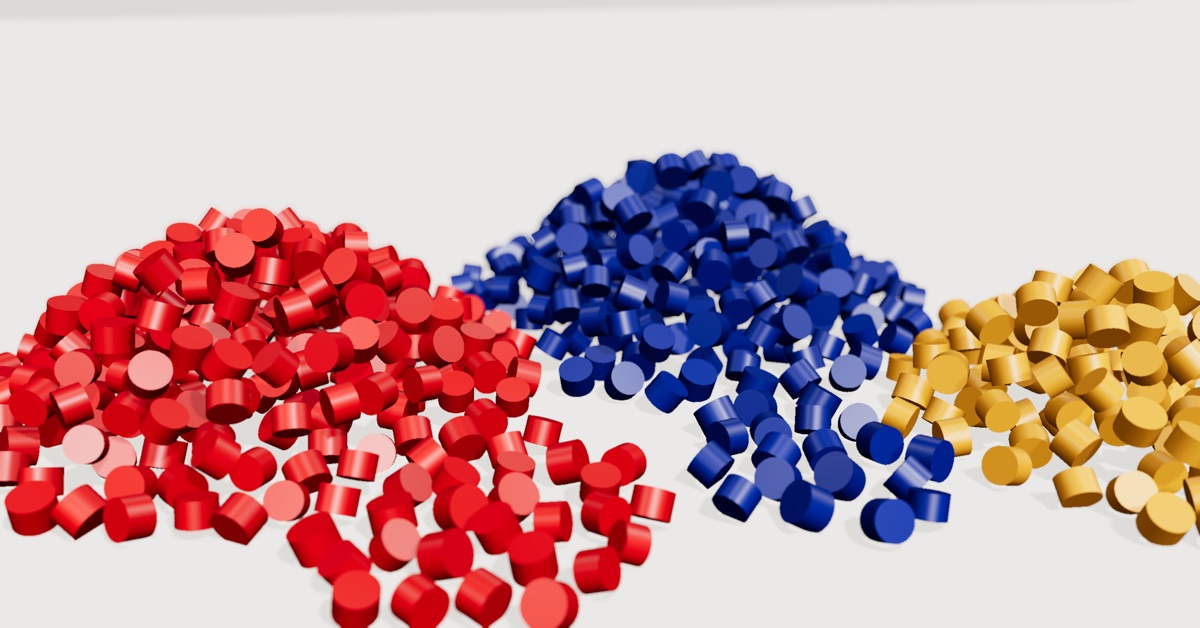
When packaging is disposed of correctly, it can go to selective collection, be sorted by resin type, washed, ground and reprocessed into new pellets. This material returns to production lines and becomes hangers, buckets, housewares, technical parts and much more.
Every step depends on conscious choices: by the people who consume and sort, the people who recycle and the people who process.
This movement has gained strength because it meets two needs at once: reducing waste and supplying raw material to industry. For manufacturers, using recycled material is also a way to respond to customers and consumers who value more responsible choices.
The color challenge in recycled material
Virgin resin usually arrives with a neutral, predictable base color. Recycled resin does not always. Because it has had previous lives, it may show:
- a variable base tone, often grayish or yellowish;
- differences from one batch to the next, depending on where the material came from;
- small specks or impurities, more visible in light colors;
- a thermal history that calls for care with processing temperature.
None of this prevents good results. It simply requires planning.
How to plan the color from the start
Choose the palette with the base in mind
Deeper, more saturated tones usually absorb the variations of recycled resin better than pure whites and very light pastels. When the project calls for light tones, start testing earlier.
Test with the real material
The color should be developed and approved in the recycled resin that will actually be used in production, not in a reference resin. The same masterbatch can produce different tones on different bases.
Monitor the batches
Since the base can vary, checking each batch and adjusting the dosage when needed helps keep the color consistent in the final product.
Consider additives
Depending on the application, additives can support the performance of recycled material. The choice depends on the end use and should be made with technical support.
Color as an ally of the circular economy
A good-looking, well-finished product is more likely to be chosen, used for longer and cared for. When the color is right, recycled material stops being just an alternative and becomes a desirable choice.
At Multicolor, we stand for a technical and ethical commitment to the entire life cycle of materials, from industrial planning to final disposal. If you are bringing recycled resin into your line and want to get the color right from the first batch, talk to our technical team.