From ordinary to memorable: color effects, light fastness and weathering resistance
Sometimes the difference between an ordinary object and a memorable one is the color effect. To make it last, light fastness and weathering resistance come into play.
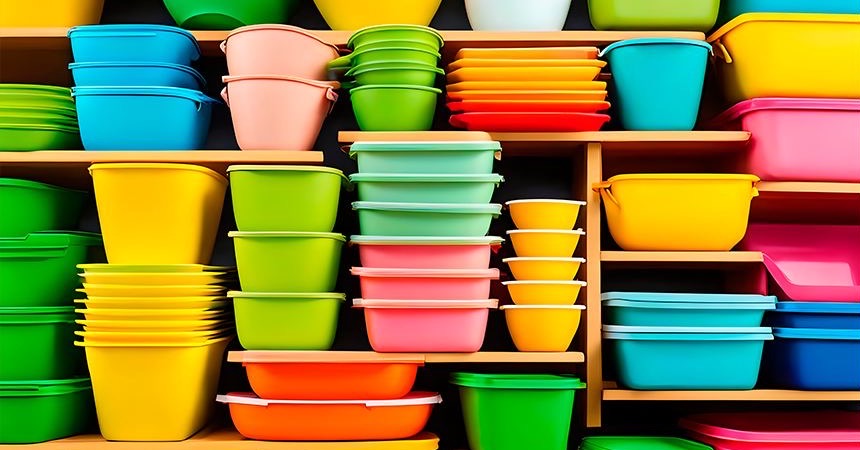
There is a difference between an object that simply does its job and one that also catches the eye. Sometimes that difference is just the color effect. Multicolor showed this on Instagram by bringing together everyday objects that gain value with a special touch of color.
But for that effect to last, the color has to look good on day one and keep looking good after months of use, sunlight and cleaning. That is where indicators found on technical data sheets come in, such as light fastness and weathering resistance.
Effects that transform the ordinary
The same part can convey very different feelings depending on how the color is treated:
- Solid, saturated tones communicate energy and make the product stand out on the shelf.
- Soft, neutral tones bring calm and blend with home interiors.
- Transparent and translucent finishes show the contents and feel light.
- Special finishes create differentiation and reinforce brand identity.
Each effect depends on the combination of pigments, the resin and the process. That is why development is always tailor-made.
Light fastness: color under the sun
Light fastness indicates how well a color withstands light exposure without fading or shifting. On pigment data sheets it is usually expressed on a scale from 1 to 8, where 8 means the highest resistance. Higher values are recommended for products that spend long periods exposed to light.
Weathering resistance: color outdoors
Weathering resistance evaluates how the color behaves under the combined effects of sun, rain, humidity and temperature changes. It is usually expressed on a scale from 1 to 5, where 5 is the best result. It is essential data for garden furniture, exterior automotive parts and outdoor items.
What about heat resistance?
Another key figure is heat resistance: the maximum temperature the pigment withstands during processing without changing color. It must match the chosen process, whether injection, blow molding or extrusion.
How these figures appear in the Reencontro 2026 catalog
In Multicolor's 2026 colors and trends catalog, each of the 22 colors includes these indicators. On a polyolefin base, with a recommended dosage of 2% in PP, the colors show:
- light fastness between 6 and 7, on the 1 to 8 scale;
- weathering resistance of 4, on the 1 to 5 scale;
- heat resistance between 220 °C and 250 °C.
These numbers are a starting point. The end application, the resin and the process may call for adjustments, defined together with the technical team.
How to read a data sheet the right way
When comparing colors, consider how the product will actually be used: where it will be, how long it will be exposed and which process will make it. And remember: final approval must be done with a physical sample, never on screen alone.
Want to know which effect and which level of resistance make sense for your product? Multicolor's technical team can help you choose.